
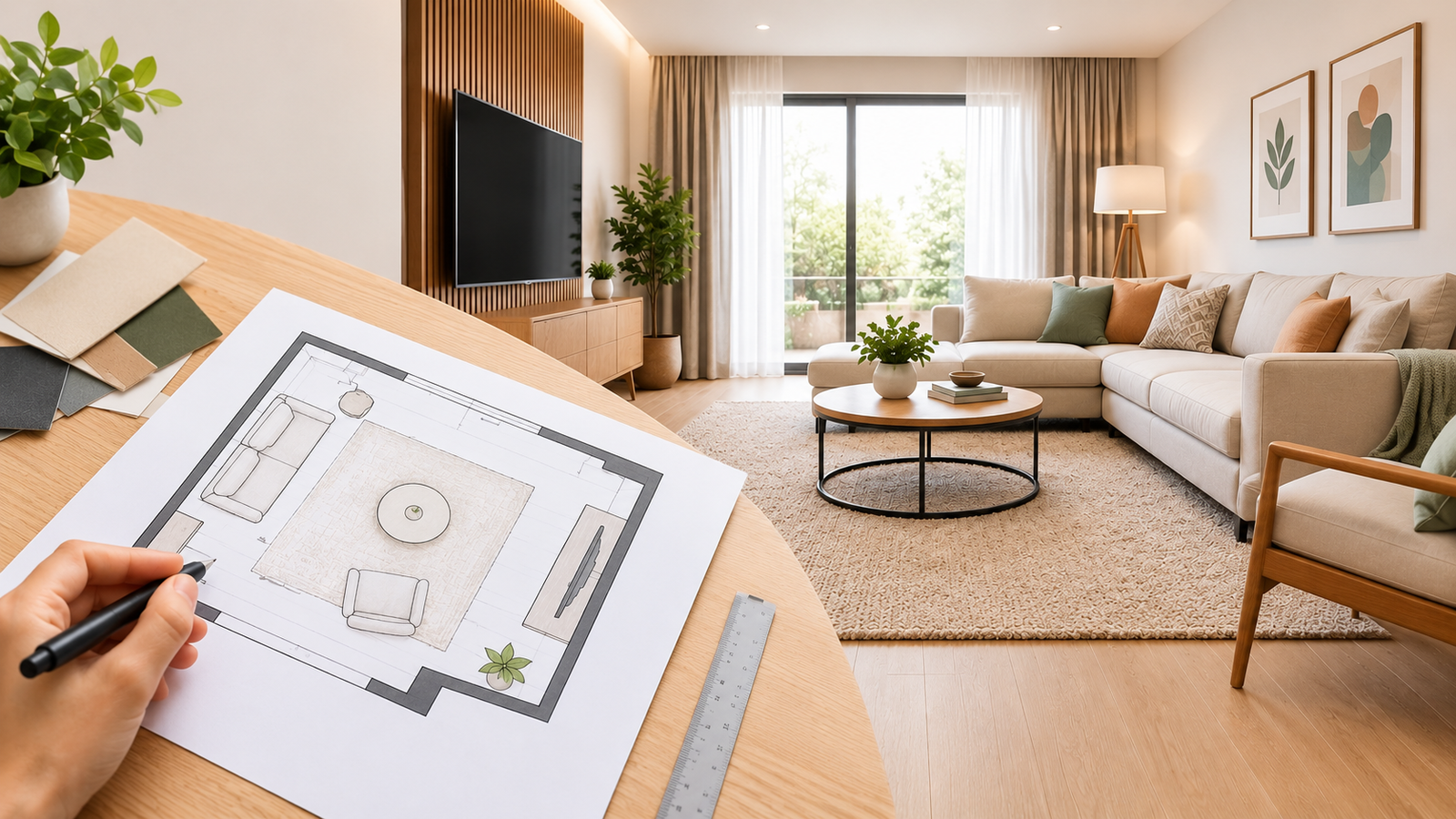
Welcome to linear space design, you are on right part of planning of living room in this article we are going to discuss about planning of living room which will be easier and best way to plan without making complicated. Planning a living room is not just about choosing a beautiful sofa matching wall colours or buying stylish furniture. It is more than than thinking how you and your family will utilise space everyday is a mostly matter than any fancy sofa and interior.
Planning a space of living room is a first priority of interior which people mostly avoid or they just don’t care but during the interior this is going to make you in trouble. Even best interior furniture will not cover up this mess which will be done in early stage of interior of living room.
The mostly problem is that many people think about this thing only after the interior work has started or the furniture has arrived. For example they may discover that sunlight creates glare on the TV, the sofa block a window, electrical socket are difficult to reach when you are relaxed or there is a no enough any space to move comfortably this are the common problems in the interior which we are going to discuss so I need you to read this article till the end.
How to start planning of living room.
This is the most common and smart question had ever in your mind because this question will save your thousands of dollar can be utilised in other things rather than besting money. Planning a living room can be confusing a specially when you are starting from scratch. You may have many ideas but you don’t really no what to do first.
In the decision of might you decide where the sofa will go where to play the TV or how to position the windows? Every decision are connected to each other and sometimes it difficult to know way to begin.
The problem is when often think about things after the interior work has started or finished. Letter we may raise that sofa blogs the windows sunlight refrige the TV screen and there is no comfortable space to walk fixing this problems after everything is finished this will cost to extra and effort as well as.
Then, how to avoid this kind of problems is the main question. The first rule of planning living room is never ever take decision in hurry always be calm during taking decisions. Always go with logic rather than looks for example placing of window is an just think but for better air you should go window placement on the north east and north west because wind always flow in this directions.
So, this are the logical thoughts during the planning of living room to get more you can grow down below I have discussed in detail points that should be consider during the planning of living room.
Why does my living room still feel wrong even when I have good furniture?
This is the very interesting question as overcome after the interior of living room the things get messed up not because of furniture but your decision.
Living room can have beautiful furniture and steel not look feel right this is the mistake people do when they take decisions quickly and regret of not planning room before interior.
Dear might be many kind of mistake you may have done during the interior work. But you may don’t know that small changes can be turn bad fill living room into comfortable beautiful aesthetic living room.
Here are the some common reason to not feel right even after good furniture :
- The sofa TV and other furniture do not match well together because of poor furniture placement.
- You may have not enough comfortable space to walk from one place to another.
- The natural light and air flow are the main source of feel good you are living room if they doesn’t get enough fresh air and sunlight the room turns into disaster.
- Electrical points are the main need for human that should be plan accordingly to the space at space where interior will be design comfortably.
- The furniture you bought might be good beautiful but in the size position and style eat doesn’t match with living room.
For what purpose actually the living room is used for?
I want to see think about your living room for moment. What kind of things actually do there everyday? Do you watch TV and time with your family welcome the guest play around children’s or simple see near again 2 and relax with a cup of coffee. Once you know that you can plan a space around Delhi life instead of trying to feet your life around the furniture, the furniture should fit in your lifestyle.
The mostly people decide for given example purposes are the most common and every house has this reason for have a living room as follows:
- A place to relax.
- A place to spend time together your partner or family.
- Place to welcome against or friends like inviting specially for exovert people.
- A place to enjoy some quite time alone enjoying the nature view.
A place to enjoy some quite time alone enjoying the nature view.
Window Position: A well placed window can make your living room feel brighter, fresher, and more comfortable. So, before deciding where to place the windows, think about how much natural light and fresh air you want and what kind of outside view you’d like to enjoy. At the same time, make sure the windows won’t be blocked by the sofa or other furniture, and also make sure that sunlight won’t create glare on the TV screen. That’s why it’s important to plan your windows along with your furniture layout, so everything works together and you don’t face problems after the interior is finished.
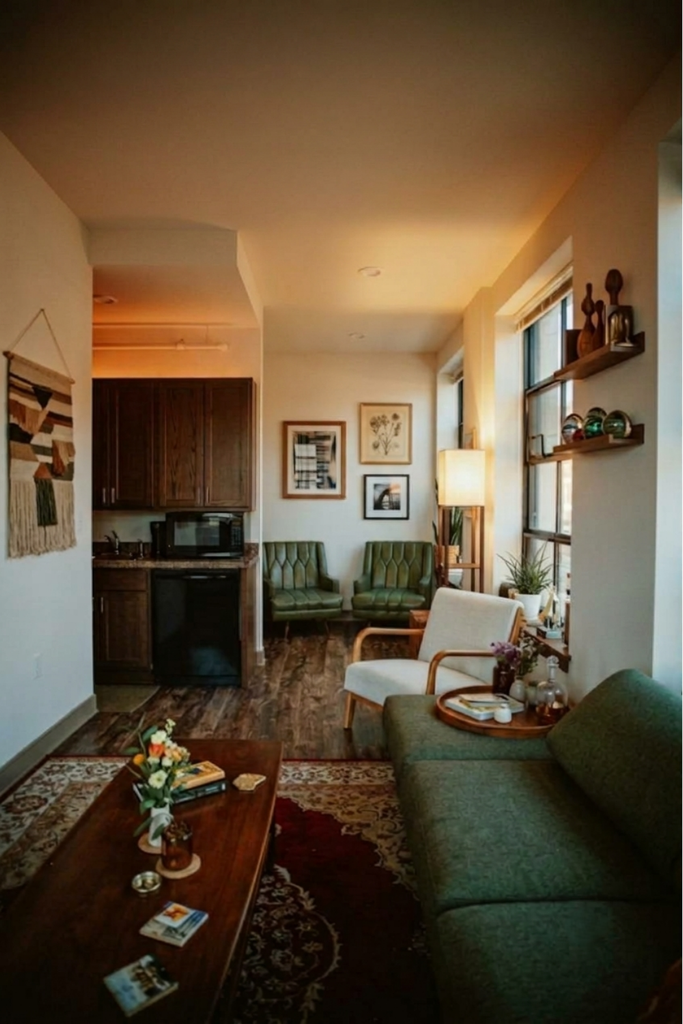
Electrical Points: Have you ever placed a socket on a wall only to realise later that your sofa or TV unit cannot fit there properly? To avoid this, plan your electrical points along with your furniture layout before starting the interior work. Keep sockets near the TV unit, sofa, and other places where you may need to charge your phone or use a lamp, and plan separate points for the AC and ceiling fan. This way, your furniture will fit properly, and you won’t have to deal with misplaced sockets, messy wires, or unnecessary changes later.
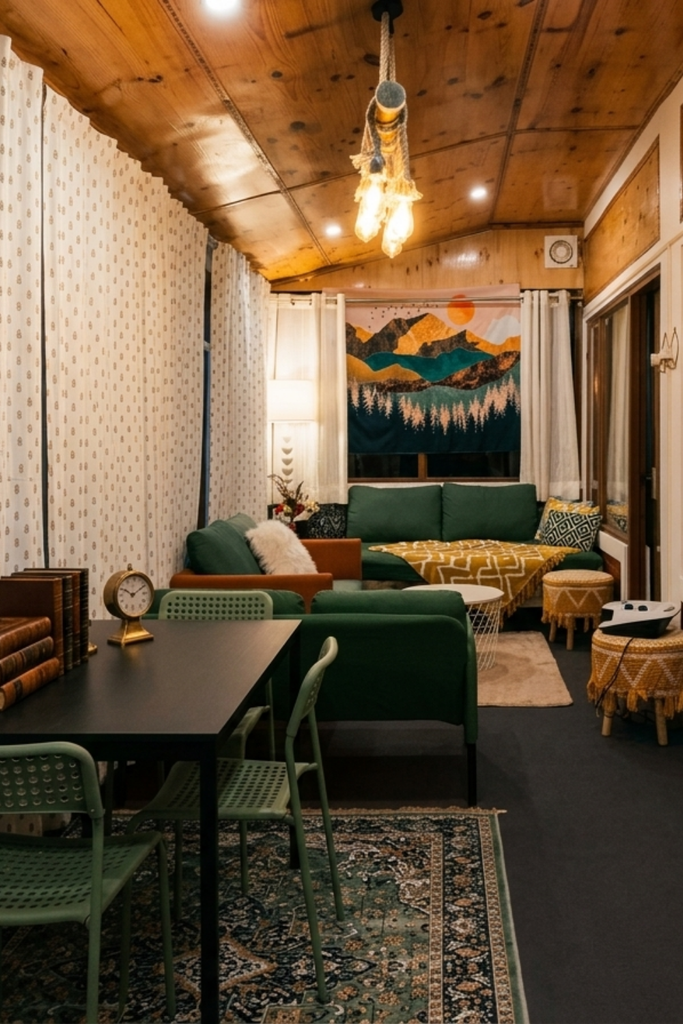
Walking Space: A comfortable living room should allow you to move around freely without hitting into furniture or squeezing through narrow gaps. Before deciding the final position of your sofa, center table, TV unit, and other furniture, plan the main walking paths and try to keep at least 3 feet (90 cm) of clear space along frequently used routes wherever possible. Leave enough room between furniture to sit down, stand up, open drawers, and reach everyday items easily. Also, make sure the furniture does not block the entrance or the path to the dining area. A little extra space can make a big difference, so plan the furniture and walking areas together to create a living room that feels open, flexible, and comfortable to use every day.
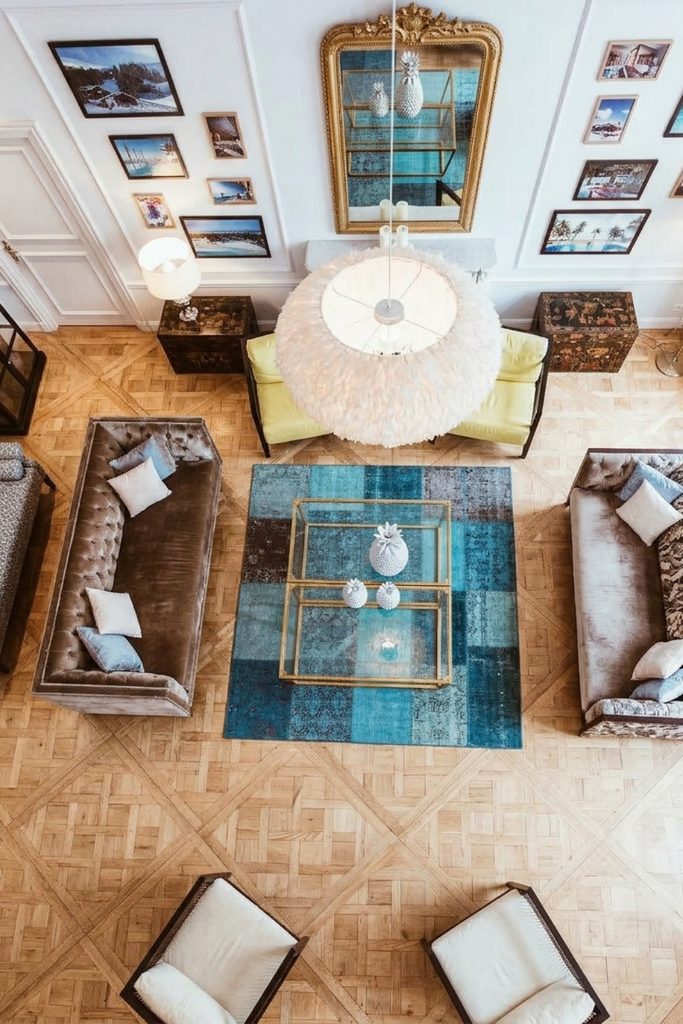
Guest Seating Area: Imagine a guest entering your house for the first time. They should be able to find a comfortable place to sit without feeling confused or having to walk through the whole living room. So, try to keep the guest seating area near the entrance, where it is easy to access and offers a pleasant view of the room or outside.
Arrange the sofa and chairs so guests can sit, talk, and move around easily without blocking the main walking path. This simple planning will make your guests feel welcome and comfortable from the moment they enter your home.
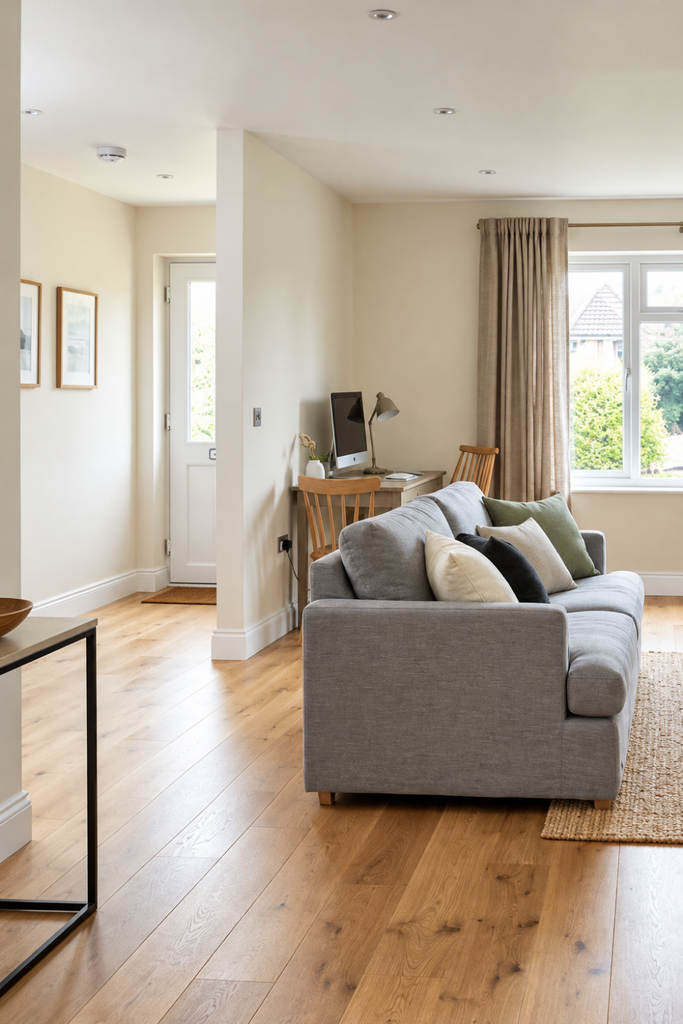
Door Opening Space: One small mistake people often make is placing furniture where it blocks the door from opening fully. Imagine opening your living room door and finding that it hits the sofa, chair, or table. To avoid this, check the door’s opening direction and leave enough empty space for it to open and close freely before finalising your furniture positions.
Also, make sure you can enter and exit the room easily without moving any furniture. This simple check can save you from changing your furniture layout later and make your living room more comfortable to use.
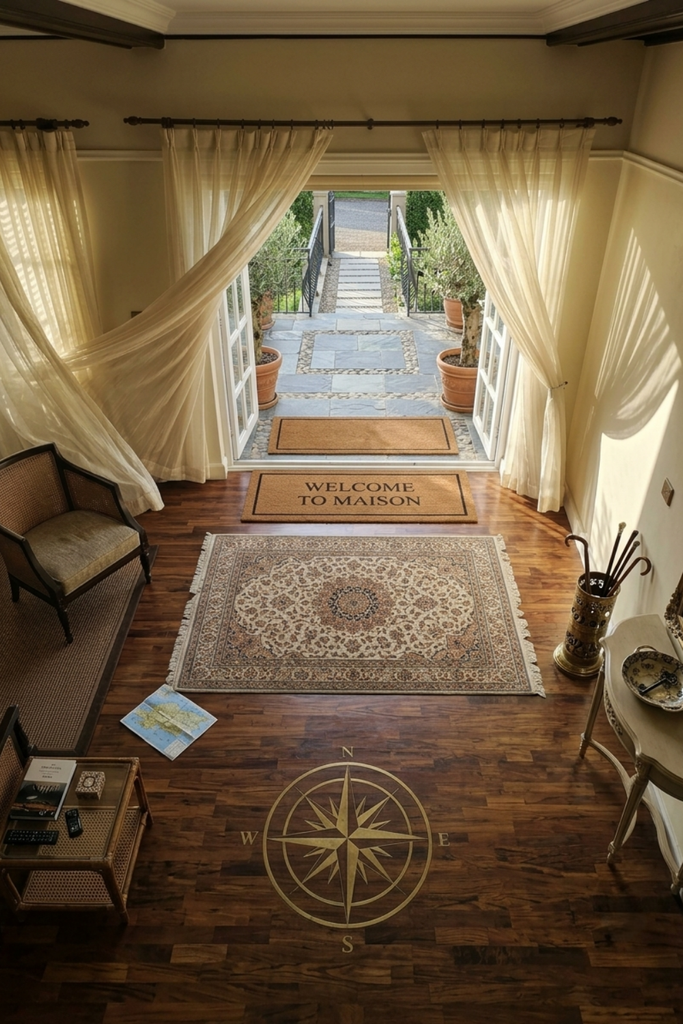
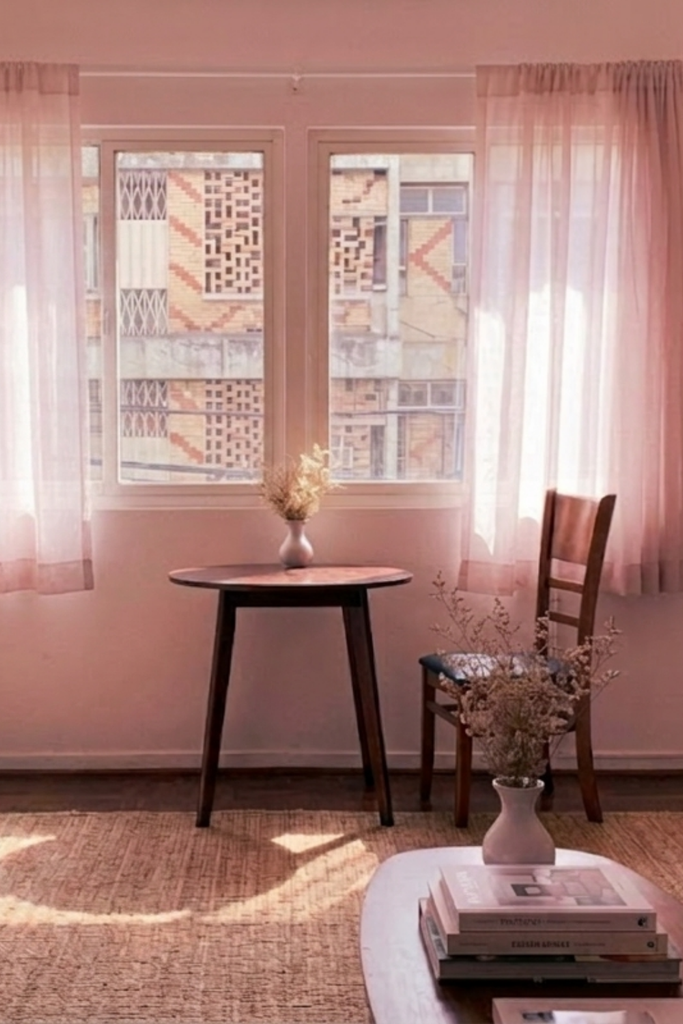
Curtain Opening Space: Before placing a sofa near a window, think about how you will open and close the curtains every day. If the sofa is too close to the window, the curtains may get stuck behind it or become difficult to pull open and close.
You may have to move the curtains around the sofa each time, which can be annoying. To avoid this, leave enough space between the sofa and the window so the curtains can move freely without getting trapped behind the furniture. This small detail will make your living room easier to use every day.
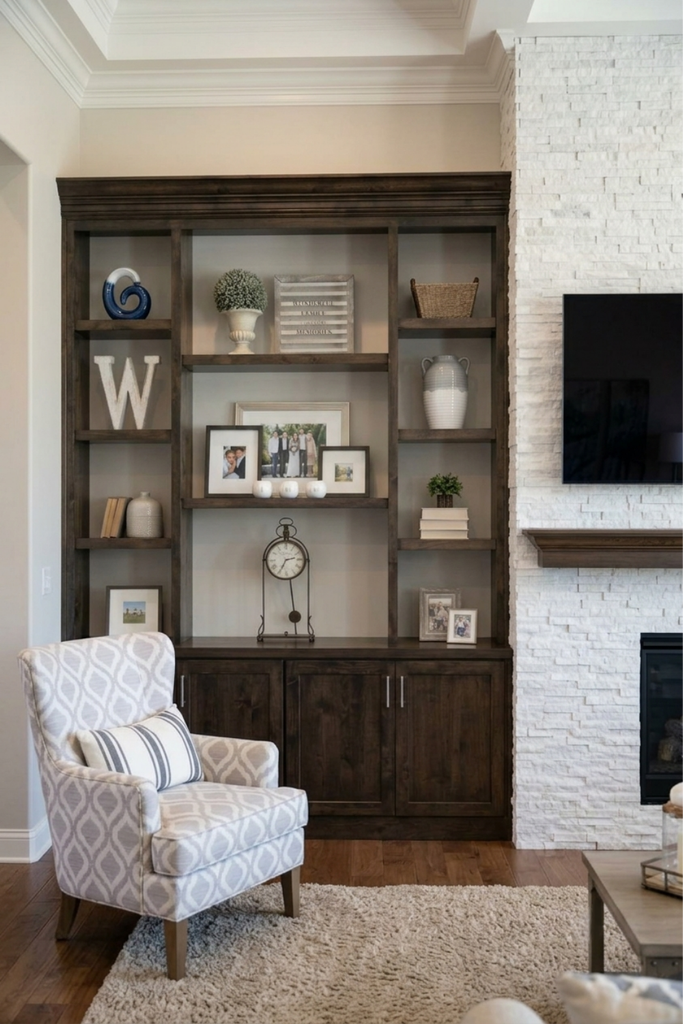
Storage Placement: Planning storage in a living room can be tricky because, after the sofa, it may take up more space than other furniture. You need enough room to store books, decorative items, and everyday things, but you also want the room to look neat and beautiful. If storage is placed in the wrong spot, it can make the living room feel crowded or block the walking space. So, before deciding where to place a bookshelf, cabinet, or display unit, look for a suitable wall or unused corner where it won’t disturb movement or block windows and doors. The goal is to make your storage useful and easy to access while keeping the living room open, organised, and attractive.
Leave Space for Future Changes: While planning your living room, think about how easily you can change the furniture arrangement in the future. You may want to move the sofa to another wall, shift the centre table, add a new chair, or change the interior style. But if every corner is filled with furniture, moving things around can become difficult, and you may not have enough space to place them temporarily. To avoid this, keep some areas flexible so you can move the sofa, table, and other items to a corner when needed and use the remaining space for your new layout or interior work. Also, avoid filling every wall with fixed furniture. This will give you more freedom to make changes later without making the living room feel crowded or spending extra money on major alterations.
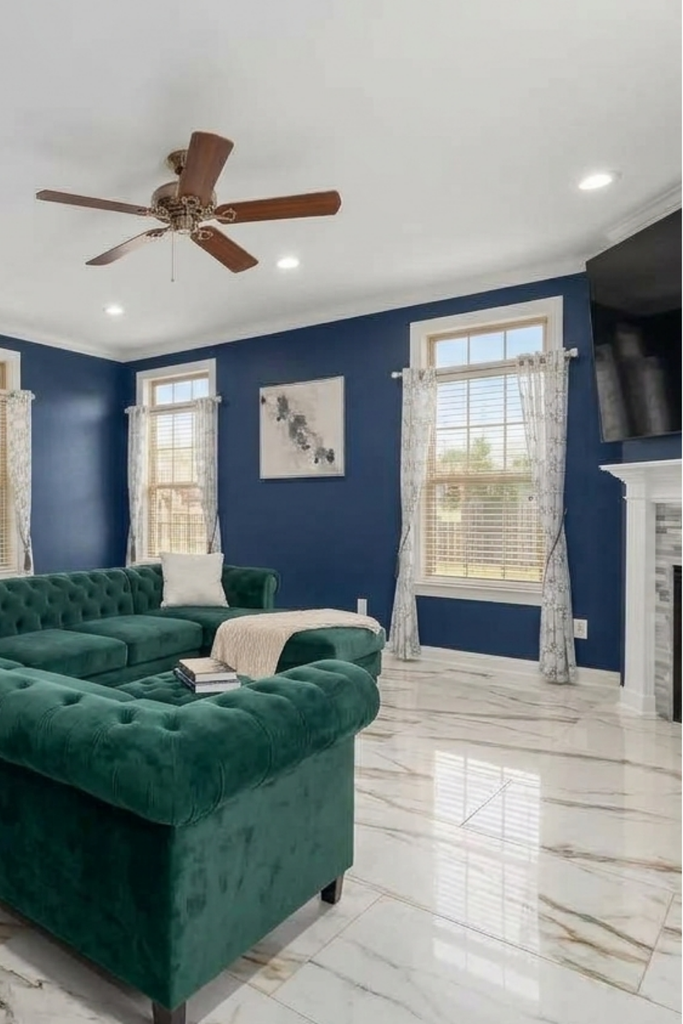
Conclusion
Planning a living room is not just about choosing a beautiful sofa, matching colours, or adding stylish decorations. It is about thinking ahead and solving small problems before they become expensive changes later. From window positions and natural light to furniture placement, walking space, electrical points, and everyday activities, every decision should work together. Before starting the interior work, take time to imagine how you and your family will use the room, check whether everything fits properly, and leave some flexibility for future changes. You do not need an expensive interior to create a comfortable living room; you need a thoughtful plan that suits your space, lifestyle, and budget. When you get the planning right, the room will not only look good but also feel comfortable and work well for years to come.
FAQ,s
What are the problems should you solve before planning a living room?
Before planning a living room, think about how you will use the space every day. Will enough sunlight and fresh air enter through the windows? Will you have a friendly outside view, or will nearby buildings block it? Where should the TV and sofa go to avoid screen glare and make viewing comfortable?
Also, check whether the furniture will fit properly, whether people can walk around easily, and whether doors and curtains can open freely. These small details may seem simple, but if you ignore them, you may face problems after the interior work is finished.
Next, think about the things that make the room comfortable and easy to maintain. Plan electrical sockets and switches near the places where you need them, along with suitable lighting, ceiling fans, and AC.
Decide where to keep storage without making the room feel crowded, and make sure the living room connects smoothly with the dining area. Also, consider privacy, noise, cleaning, safety, budget, and whether you may want to change the furniture arrangement in the future. The best approach is to solve these problems first, plan the layout next, and choose furniture and decorations only after everything fits together.
How should you plan the room around the windows, light, air, and outside views?
Before planning your living room, check the direction of the wind, the path of the sun, and the view outside your house. Try to place windows where the usual breeze can bring fresh air into the room, and if possible, use windows on opposite or adjacent walls to improve airflow. Also, think about how sunlight enters during the day.
East-facing windows generally bring morning sunlight, while west-facing windows can bring strong afternoon heat, so plan suitable shades or curtains where needed.
If your living room faces a garden, balcony, or beautiful view, position the windows to make the most of it while maintaining privacy.
Make sure nearby buildings, furniture, and curtains do not block natural light or airflow, and avoid placing the TV where direct sunlight causes glare.
By considering the local wind direction, sunlight, outside view, privacy, and window access before starting the work, you can create a living room that feels bright, fresh, and comfortable throughout the day.
How should you plan the living room around activities?
Imagine having a beautiful living room where you still struggle to find a comfortable place to sit, work, or spend time with your family. To avoid this, think about how you will actually use the room before arranging the furniture. If you enjoy watching TV, plan a comfortable viewing area if your family often sits together and talks, arrange the sofas and chairs so everyone can face each other easily.
If you have children, leave some open space for playing, and if you enjoy reading, consider a quiet corner with good natural light.
You may also need space for working on a laptop, welcoming guests, or relaxing after a long day. Each activity needs a little thought, so plan the furniture, lighting, electrical points, and walking paths around your daily routine. This will help you create a living room that feels natural to use, rather than just looking attractive.
How can I make living room easy to use every day?
A good way to plan a living room is to imagine your daily routine from the moment you enter until the time you go to bed. Where will you put your keys when you come home? Where will you charge your phone while sitting on the sofa?
Can you reach the light switch without walking across a dark room, or grab the TV remote without searching through cushions? Think about these small everyday situations and give each one a practical solution.
Keep frequently used items within easy reach, provide a convenient place for bags and belongings, and arrange furniture so you can move around without shifting things every time. Choose surfaces that are easy to clean, provide enough storage to hide everyday clutter, and make sure windows, curtains, sockets, and switches remain accessible.
When you plan for these little moments in advance, your living room becomes easier to manage, more comfortable to live in, and less frustrating to use every day.