
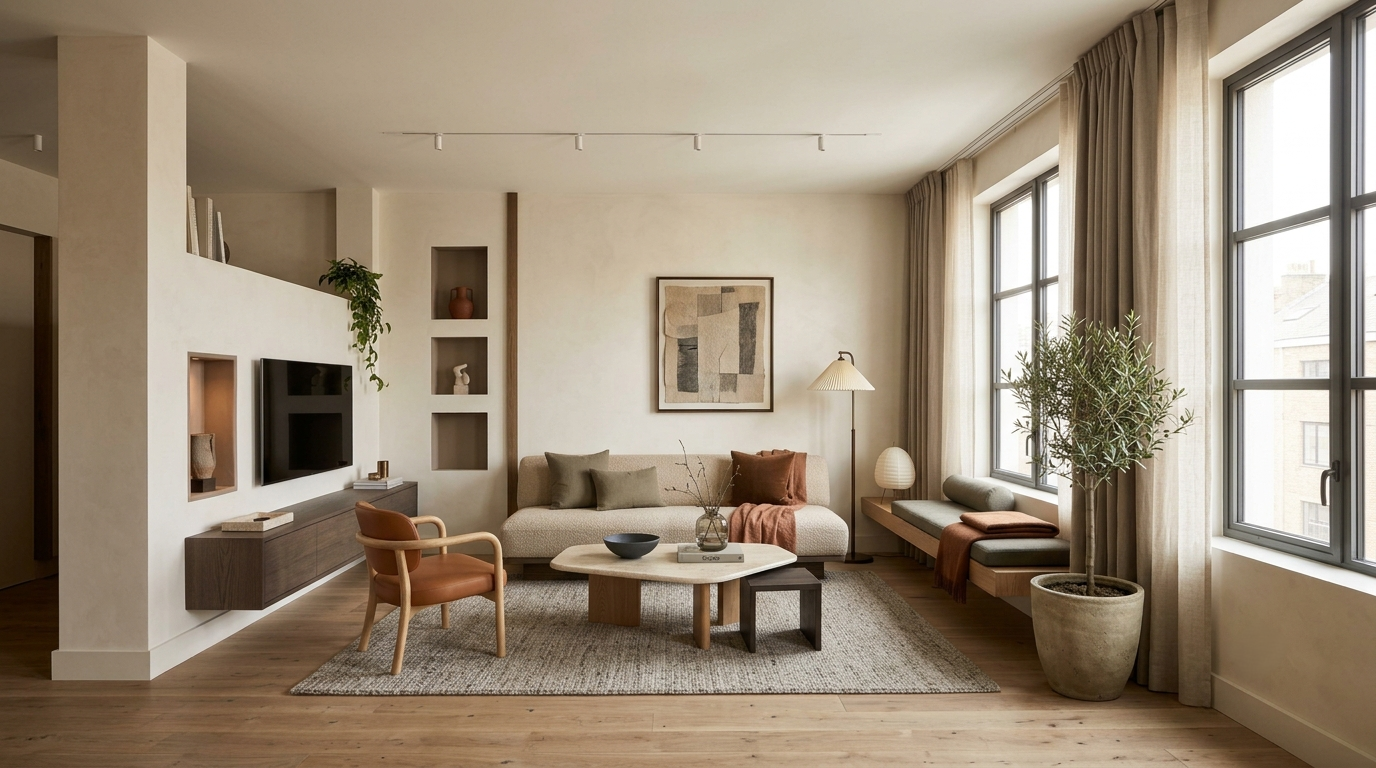
Welcome to Linear Space Design, Have you ever felt that your living room looks smaller than it actually is, even after arranging all the furniture? Maybe the sofa takes up too much space, the room feels crowded, or there is hardly any space to move around comfortably. The good news is that you don’t need a bigger house or expensive furniture to fix these problems.
With the right furniture arrangement, suitable colors, better lighting, and a few smart decorating ideas, you can make a small living room feel more open, comfortable, and stylish. The trick is knowing what works for your space and what makes it feel crowded.
In this guide, you’ll discover practical small living room ideas to help you make the most of every corner, create a spacious feeling, and design a room that looks beautiful without spending more than necessary.
How can you identify what makes your small living room look smaller?
A small living room can feel cramped even when it has enough space for your daily needs. The problem is often an oversized sofa, furniture placed in the wrong position, blocked walking paths, or too many items in one place.
Before buying anything new, look at your room from the entrance and notice what makes it feel crowded. Check whether you can walk comfortably between the sofa, coffee table, doorway, and other areas.
Also, notice if heavy curtains block natural light or if cluttered shelves and tables make the room look busy. These small details can affect how spacious and comfortable your living room feels.
Start by clearing the walking paths, removing unnecessary items, and rearranging the furniture. Make the most of natural light before spending money on new decorations or furniture. Once you identify the main problem, you can make simple changes that help your living room feel more open, comfortable, and stylish.
What furniture works best in a small living room?
Choosing furniture for a small living room can be tricky, but the solution is simple: pick furniture that fits your room without making it feel crowded. For example, instead of buying a big sofa with wide arms, choose a compact sofa that gives you enough seating and leaves space to walk around.
Before buying anything, measure your room and think about where each piece will go. A loveseat can work well in a very small room, while an L-shaped sofa is a good option if you have enough corner space.
Here’s a simple trick: imagine walking from the entrance to the sofa without bumping into anything. If you have to squeeze between the furniture, try changing the arrangement.
You can also choose a round coffee table to make moving around easier, or use a storage ottoman to keep blankets and other small items out of sight. Furniture with visible legs can also make more of the floor visible, helping the room feel lighter.
Remember, you don’t need to fill every corner. A few well-sized pieces will usually make your living room look more spacious and feel more comfortable.
How can you add storage without making a small living room cluttered?
Adding storage to a small living room is easier when you use the space you already have instead of bringing in more bulky furniture. For example, you can use a storage ottoman for blankets, a TV unit with drawers for small items, or baskets to keep things together. Wall shelves are also a good option because they free up floor space, while large floor-standing shelves can make the room feel crowded if there isn’t enough space.
Just remember not to fill every shelf with decorations; leave some empty space to keep the room looking neat.
Here’s a simple trick: give every everyday item its own place. Keep remote controls in a small tray, hide cables behind the TV unit using cable clips, and store shoes in a closed shoe cabinet near the entrance if you need them in the living room.
Keep a few attractive items, like a small plant, a photo frame, or a favourite decoration, visible, and put things you don’t use daily inside drawers, boxes, or baskets. .
The goal is to make storage easy to use without making it the main focus of the room. When everything has a proper place, your living room feels cleaner, more organized, and more spacious.
How do you make a small living room look stylish on a budget?
You don’t need to spend a lot of money to make a small living room look stylish. Start by rearranging the furniture, removing things you don’t need, and making better use of natural light.
Sometimes, simply changing the position of your sofa, adding cushion covers, using a matching curtain color, or keeping the coffee table neat can make the whole room look different.
If you want to buy something new, focus on affordable changes that have a visible impact, such as a simple rug, a table lamp, or a few cushion covers instead of replacing all your furniture.
Here’s a useful trick: before buying anything, measure your space and decide exactly where the item will go.
Check its width, height, and depth so it doesn’t make the room feel crowded, and remember to leave enough space for walking.
If you’re renting, you can still improve your living room with removable wall hooks, cushions, rugs, table lamps, and lightweight decorations that don’t require permanent changes.
Try choosing two or three colors that work well together rather than mixing too many colors and patterns.
Small, thoughtful changes can make your living room feel more stylish without putting pressure on your budget.
21 Living Room Ideas to Make Your Space Look Bigger and More Stylish
1. Choose a Compact Sofa
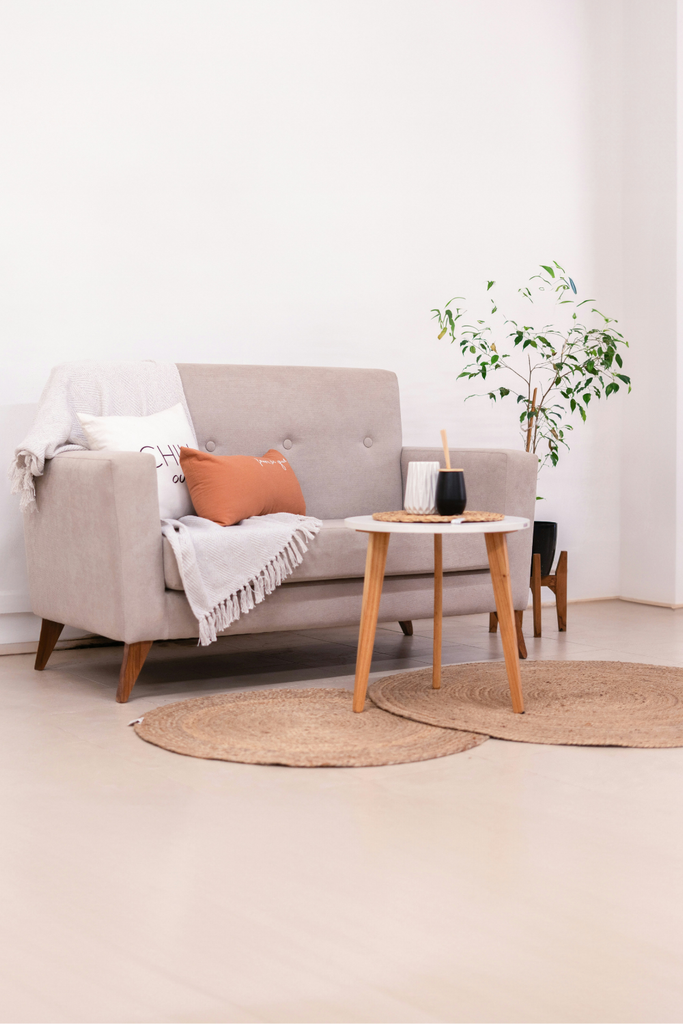
If your living room feels crowded, your sofa might be taking up more space than necessary. A large sofa with wide armrests and deep seats can leave very little room to walk around or place other furniture.
That’s why I recommend choosing a compact sofa that fits your room without sacrificing comfort. A two-seater or a three-seater with slim armrests can provide enough seating while leaving more free space for a coffee table or an extra chair.
Before buying, measure the area where you want to place the sofa and make sure there is enough space to walk around it comfortably.
You can also choose a sofa with visible legs to make more of the floor visible, helping the room feel less crowded. The main reason to choose a compact sofa is simple: you get comfortable seating without making your living room feel smaller than it really is.
2. Storage Ottoman
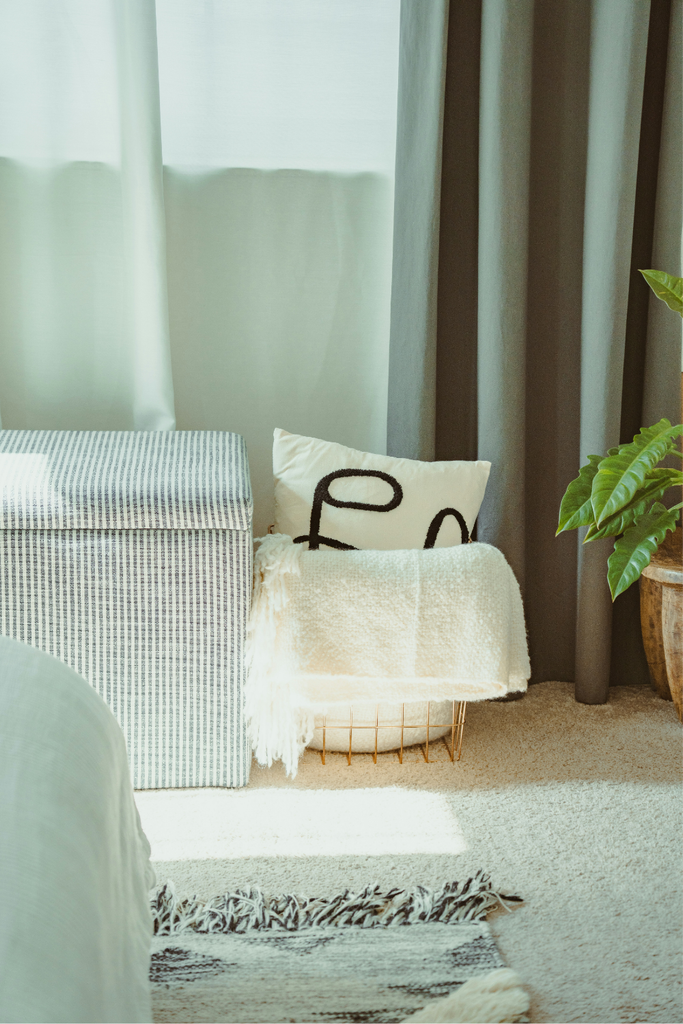
Have you ever noticed how blankets, cushions, and other small things can make your living room look messy? You might keep them in a separate box or cabinet, which takes up extra space.
This is where a storage ottoman can help. It’s a soft, cushioned box that you can use as a footrest, an extra seat, and a place to store your things.
For example, you can keep your blankets and cushions inside the ottoman instead of leaving them on the sofa or buying a separate storage box. When guests visit, you can also use it as an extra seat.
This way, one piece of furniture does the job of several items. Just choose a size that fits your room without blocking the walking space.
3. Nesting Coffee Table
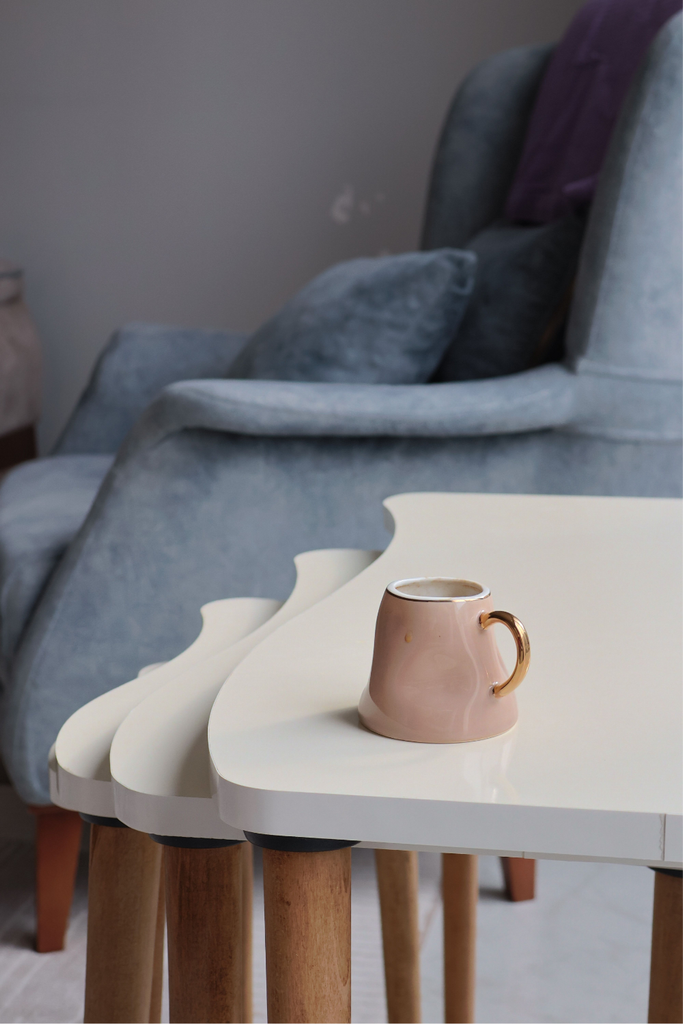
For a small living room, choose a nesting coffee table with two tables, slim legs, and a simple design. A round or oval set is a good choice if you have limited walking space because it has no sharp corners to bump into.
If your living room has a modern look, choose a light wood or white finish to keep it feeling bright. For a more stylish look, you can choose a wood-and-metal combination, but avoid bulky designs that take up too much floor space.
Here’s a simple trick: check how much space the smaller table saves when it slides under the larger one. Measure the area between your sofa and TV unit before buying, and make sure the tables can be pulled out without blocking the walking path.
Choose a sturdy set with a stable base and enough surface space for your everyday needs, rather than one that’s attractive but difficult to use.
4. Mount the TV on the Wall
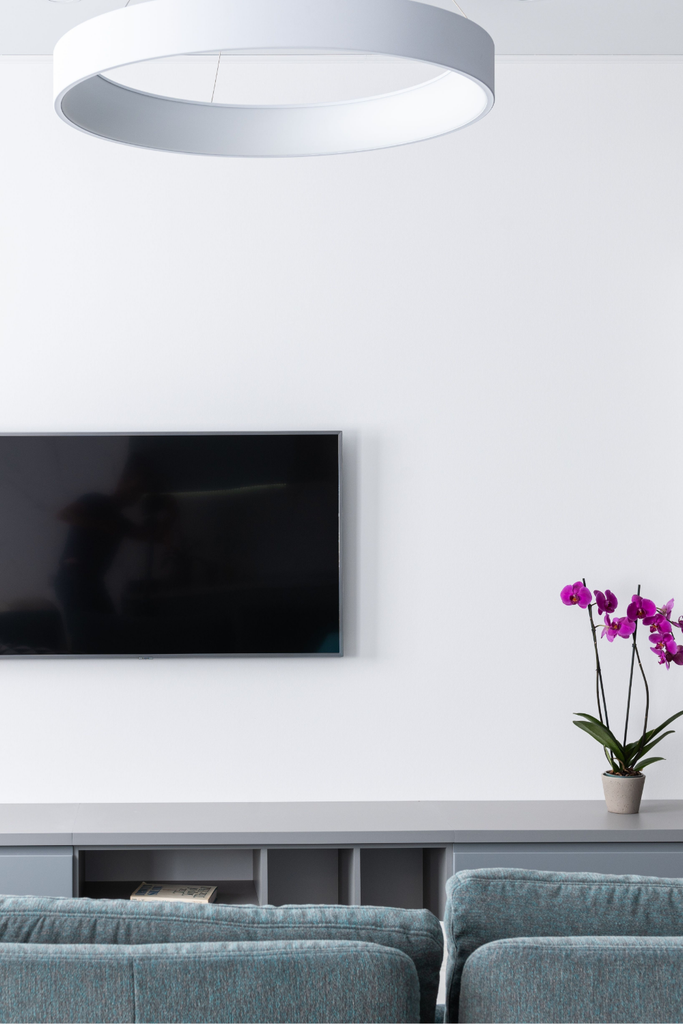
When you keep your TV on a large table or cabinet, it takes up floor space that you could use for something else.
Instead, you can mount the TV on the wall and remove the bulky stand. This gives you more free space in your living room and makes it easier to move around.
For example, if your living room is small, you can use the space under the TV for a small storage unit or leave it empty.
You can also arrange the cables neatly so they don’t hang around and make the room look messy. The simple idea is to use your wall for the TV instead of using valuable floor space.
5. Install Floating Shelves
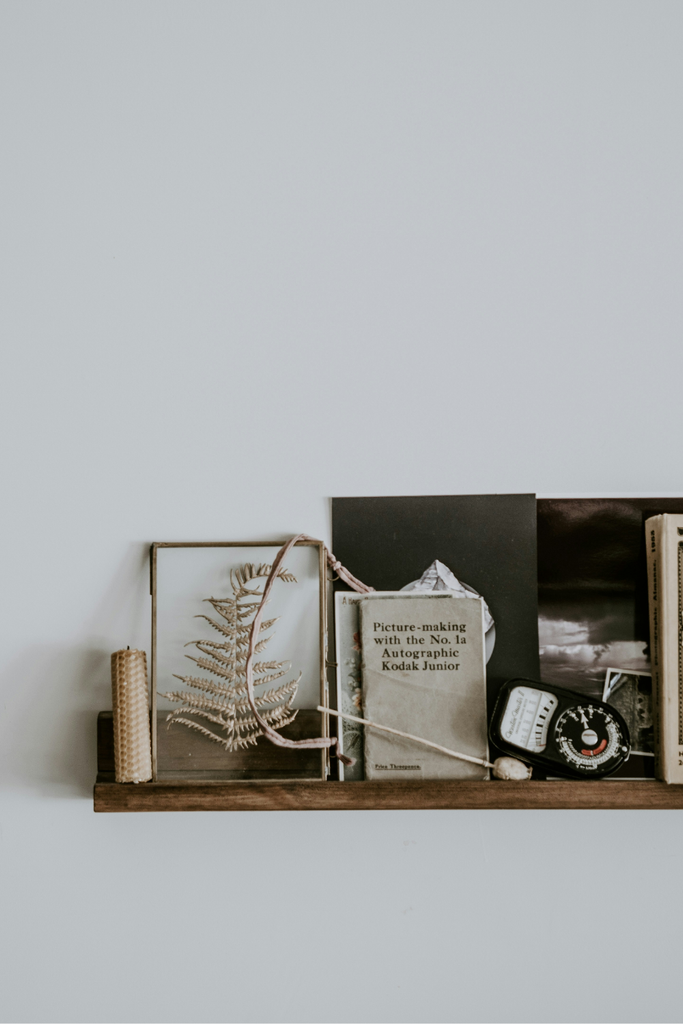
Floating shelves help save space because they are fixed to the wall and don’t take up any floor space.
For example, instead of buying a cabinet to keep books, photo frames, or small decorations, you can use a few shelves on the wall. This keeps your things organized and leaves more space to walk around.
Just remember not to fill the shelves with too many things, as that can make the room look messy. Keep only a few items you like, and your living room will look neat, open, and stylish.
6. Add a Mirror Near a Window
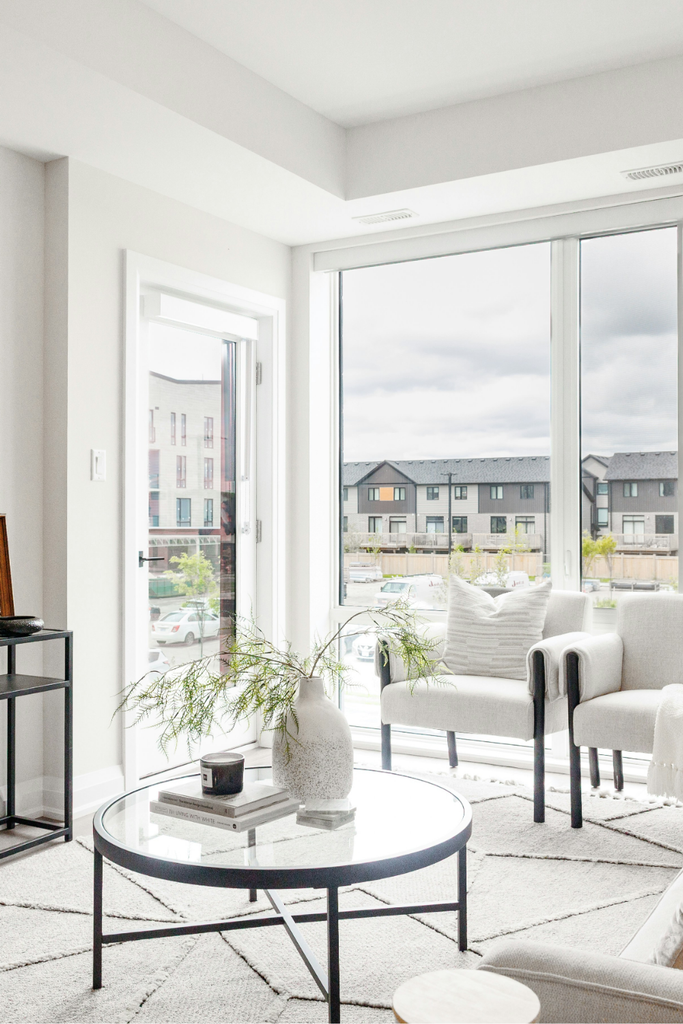
A mirror is a simple way to make your living room feel brighter and bigger. When you place it near a window, it reflects sunlight and spreads more light around the room.
This can be especially helpful if your living room feels dark or closed in.
You don’t need to buy expensive decorations to improve the room. Just try placing a mirror where it can reflect the window or a nice view.
It can make the room feel more open without taking up much space.
7. Use Curtains That Reach the Floor
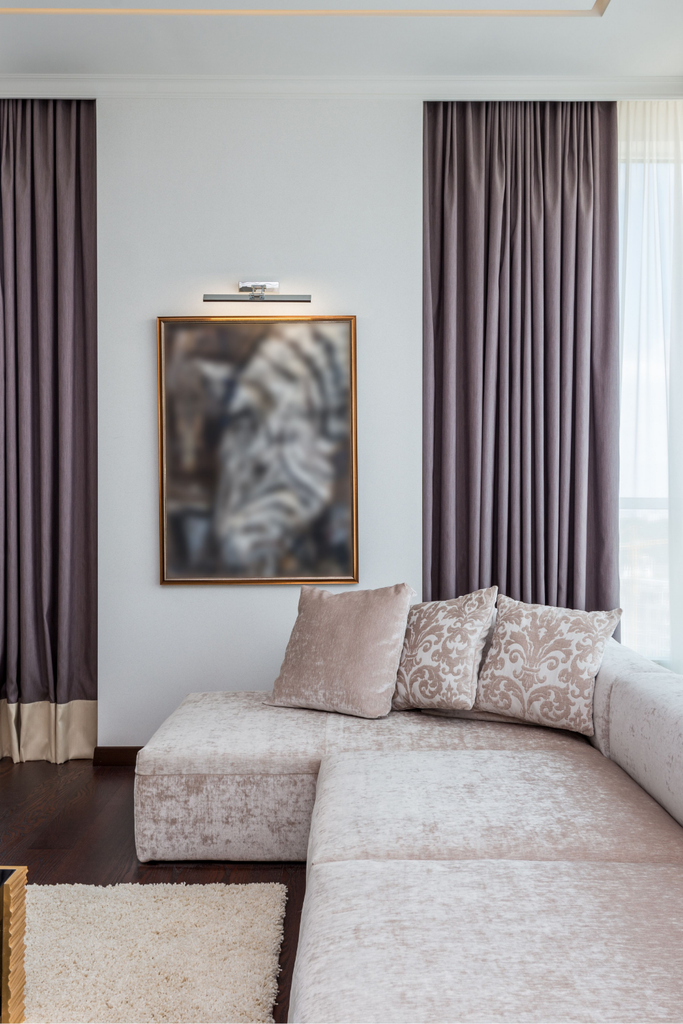
Have you ever noticed how some rooms look taller just because of their curtains? Curtains that reach the floor can create that effect by making the wall look longer.
If you hang the curtain rod a little higher than the window, the ceiling may also appear taller.
You don’t need fancy or expensive curtains for this to work. Choose a simple color that goes well with your walls and sofa.
If your room is small, lightweight curtains are often a better choice because they let in more natural light and don’t make the window look heavy.
8. Choose Furniture With Visible Legs
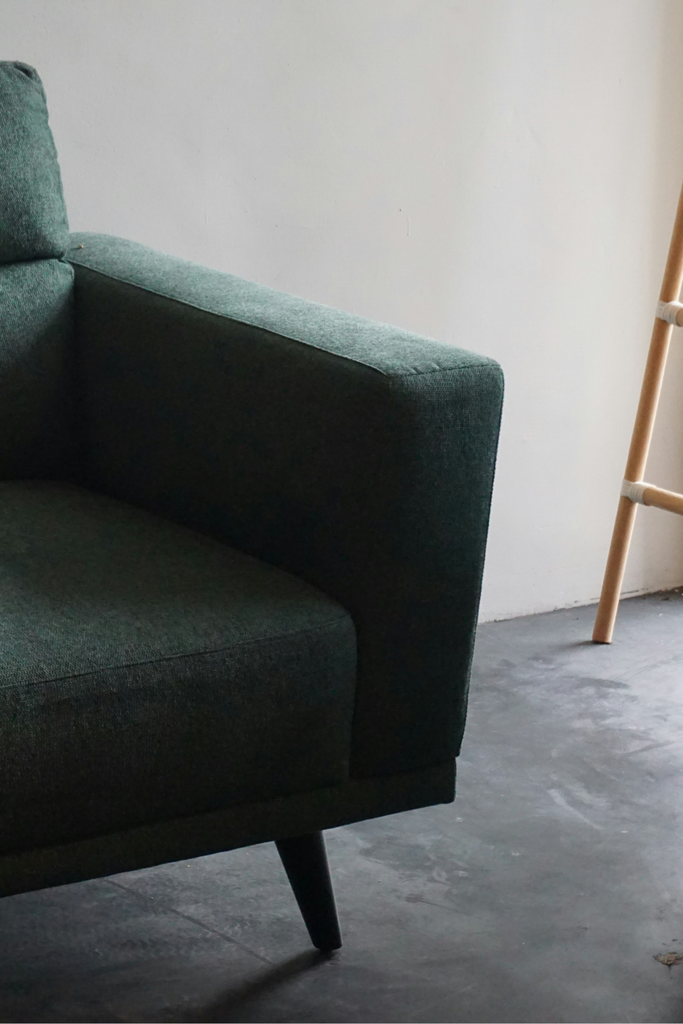
Look at the difference between a sofa that sits directly on the floor and one with visible legs.
The second sofa lets you see more of the floor underneath, which can make the living room feel lighter and less crowded. It doesn’t actually create more space, but it can change how spacious the room looks.
So, if you’re buying a new sofa, coffee table, or TV unit, consider a design with visible legs.
You don’t have to replace all your existing furniture. Even choosing one or two lighter-looking pieces can help the room feel more open.
9. Use a Slim Side Table
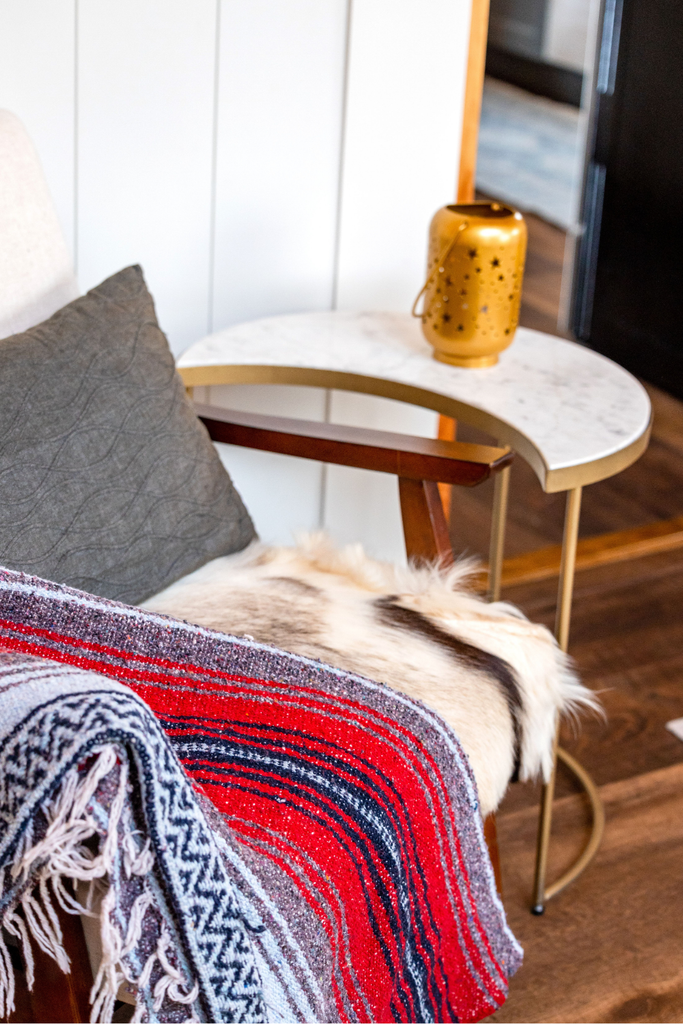
A side table is handy when you want somewhere to keep your phone, a cup of tea, or a lamp beside the sofa.
But a large table can take up space that you could use for walking or sitting comfortably. A slim side table gives you the same convenience without making the area feel crowded.
Before buying one, think about what you actually need to keep beside your sofa. If it’s only a few small items, a narrow table is usually enough.
There’s no need to choose a big table with drawers if you won’t use the extra storage.
10. Replace a Bulky Armchair With a Small Accent Chair
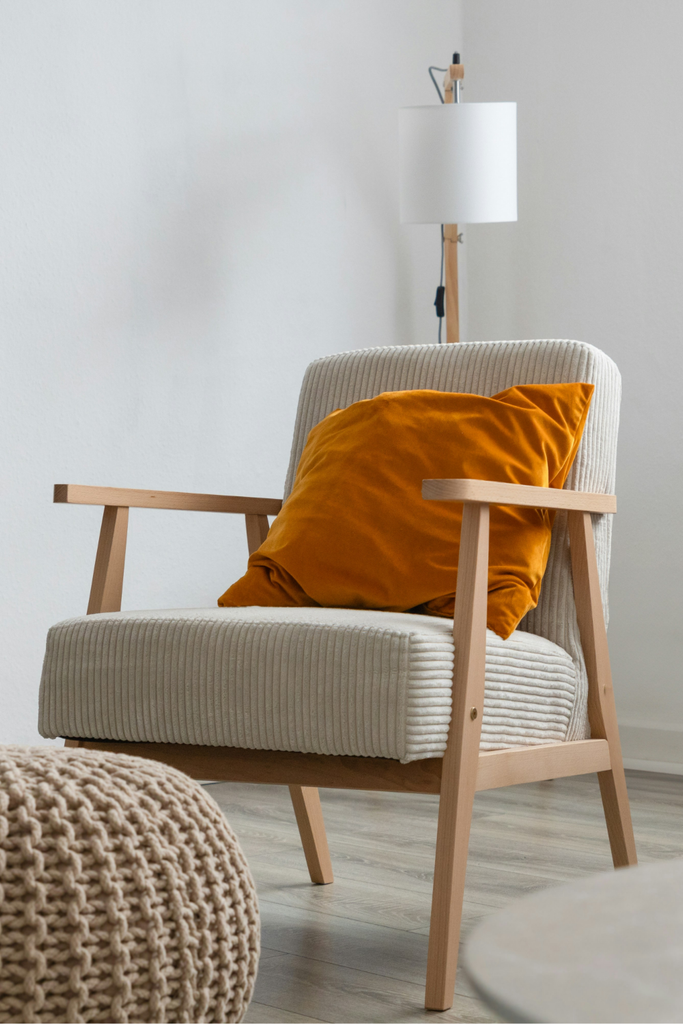
A large armchair may be comfortable, but it can take up a surprising amount of space in a small living room.
If you need an extra seat, a smaller accent chair can do the job while leaving more room to move around. You can still choose a stylish design that matches your sofa.
Think about how often you use the extra seat before buying one. If you only need it when friends or family visit, choose a lightweight chair that you can move easily.
This gives you more flexibility than keeping a large, heavy armchair in the same spot all the time.
11. Choose a Round Coffee Table
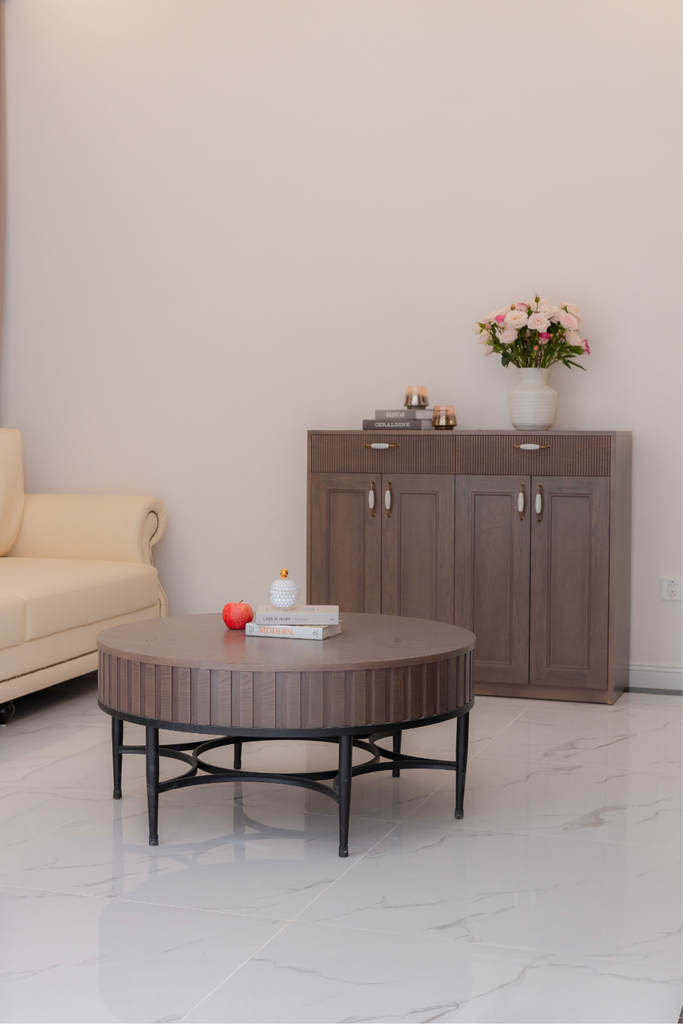
If your coffee table is surrounded by a sofa and chairs, getting around it can sometimes feel awkward.
A round coffee table has no sharp corners, so it’s easier to move around in a tight space. It can also give your living room a softer, more relaxed look.
When choosing a table, make sure there’s enough room to walk between it and the sofa.
A round table works well in many small living rooms, but if your room is long and narrow, a slim rectangular table might fit better. The best choice is the one that suits your layout.
12. Use a TV Unit With Closed Storage
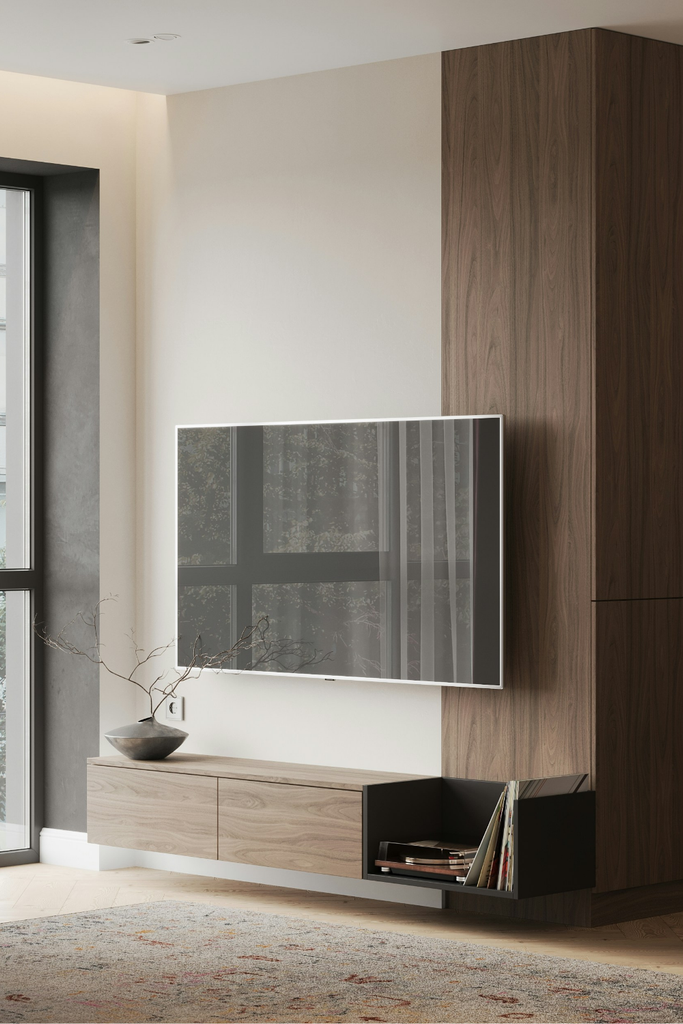
Remote controls, cables, chargers, and other small things can quickly make a living room look messy.
A TV unit with drawers or closed cabinets gives you a place to keep these items out of sight. This way, your room looks tidy without having to throw away things you use every day.
Instead of buying a big TV unit with lots of open shelves, look for a compact one with enough storage for your belongings.
If floor space is limited, a wall-mounted unit may work even better. Just make sure it’s properly installed and suitable for your TV.
13. Add a Slim Shoe Cabinet Near the Entrance
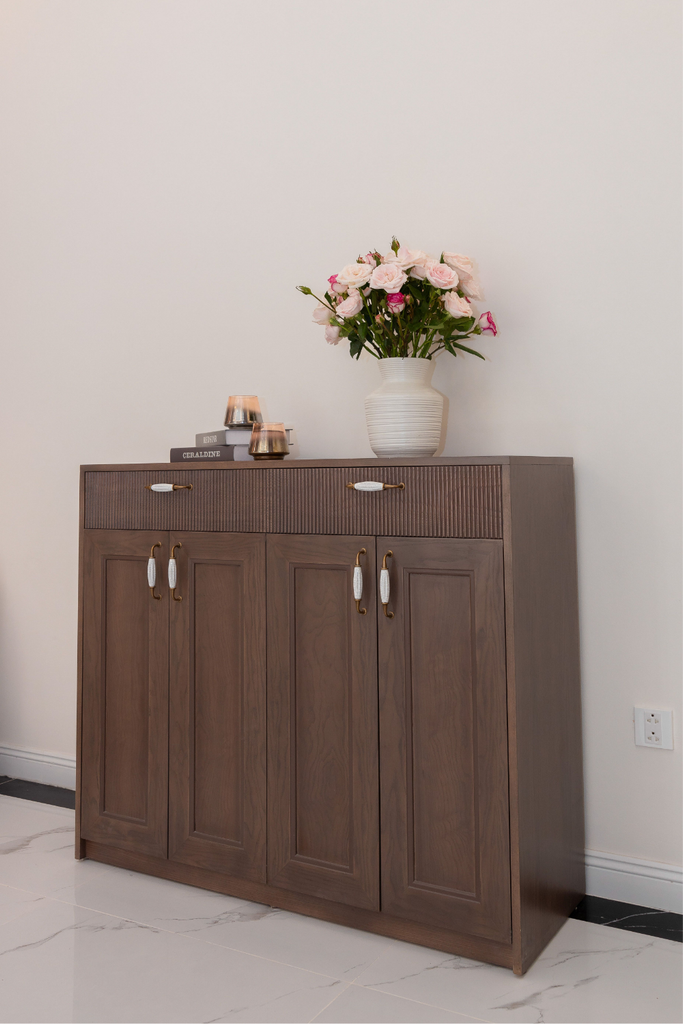
If shoes are always lying around near your entrance, your living room can look messy before you even start decorating.
A slim shoe cabinet keeps them in one place and leaves the floor clear. This is particularly useful when your entrance opens directly into your living room.
Rather than buying a large shoe rack, measure the space near the entrance and look for a narrow cabinet that fits.
A closed cabinet also keeps the shoes out of sight. Just make sure it doesn’t block the doorway or make it difficult to walk in and out.
14. Use Baskets Under a Console Table
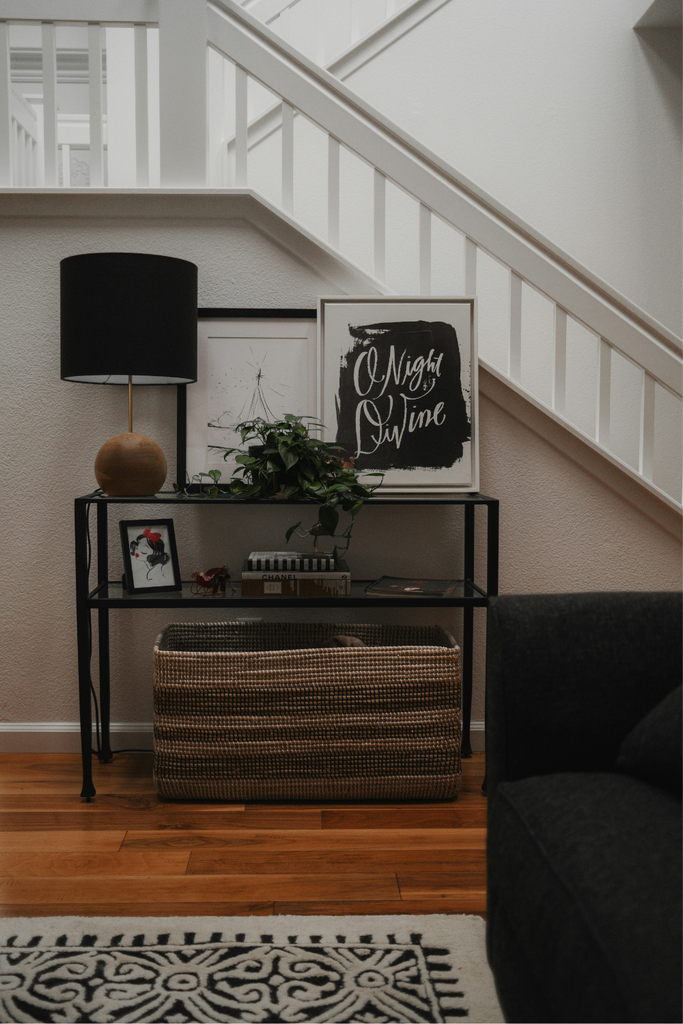
Small things like toys, magazines, and extra cushions often end up scattered around the living room because they don’t have a proper place.
Baskets under a console table are an easy way to keep them together. You can pull out a basket whenever you need something and put it back when you’re done.
The best part is that you may not need to buy any new furniture. If you already have a console table with empty space underneath, simply add a few baskets that fit.
This gives you extra storage without making the room feel more crowded.
15. Choose a Rug That Fits the Seating Area
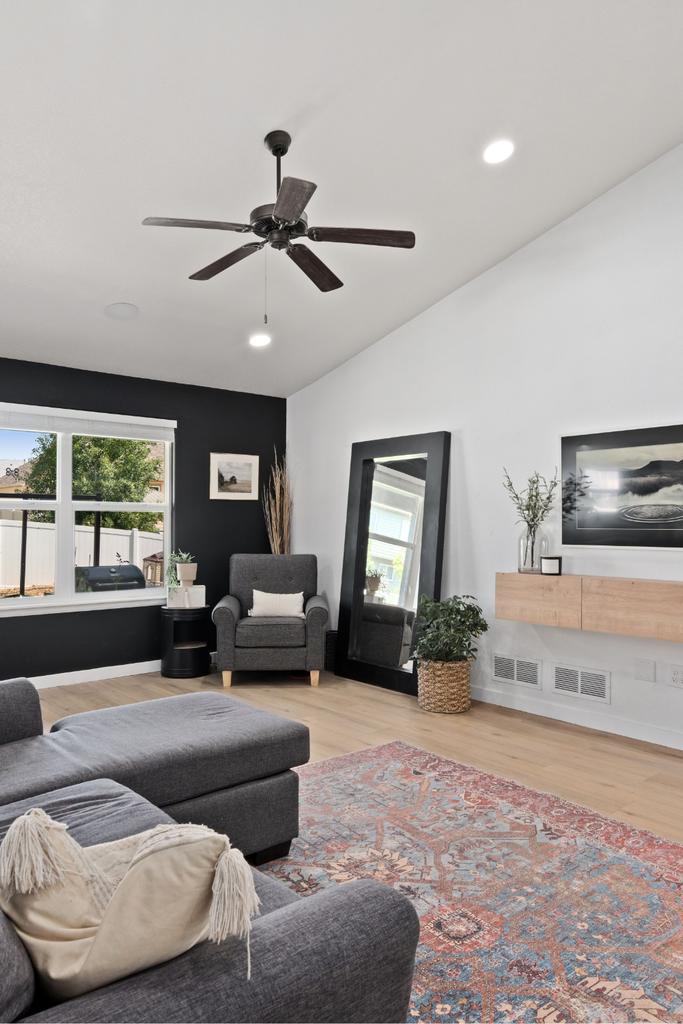
A rug can bring your sofa, chairs, and coffee table together and make the living room look more organized. Without one, the furniture can sometimes look like separate pieces placed around the room.
A well-sized rug helps define the seating area and gives the room a more finished look.
But don’t choose a rug just because you like its color or pattern. Measure your seating area first so you know what size will fit.
A rug that’s too small can make the furniture look disconnected, while a simple, properly sized rug can make the whole arrangement look better.
16. Use Wall-Mounted Lights
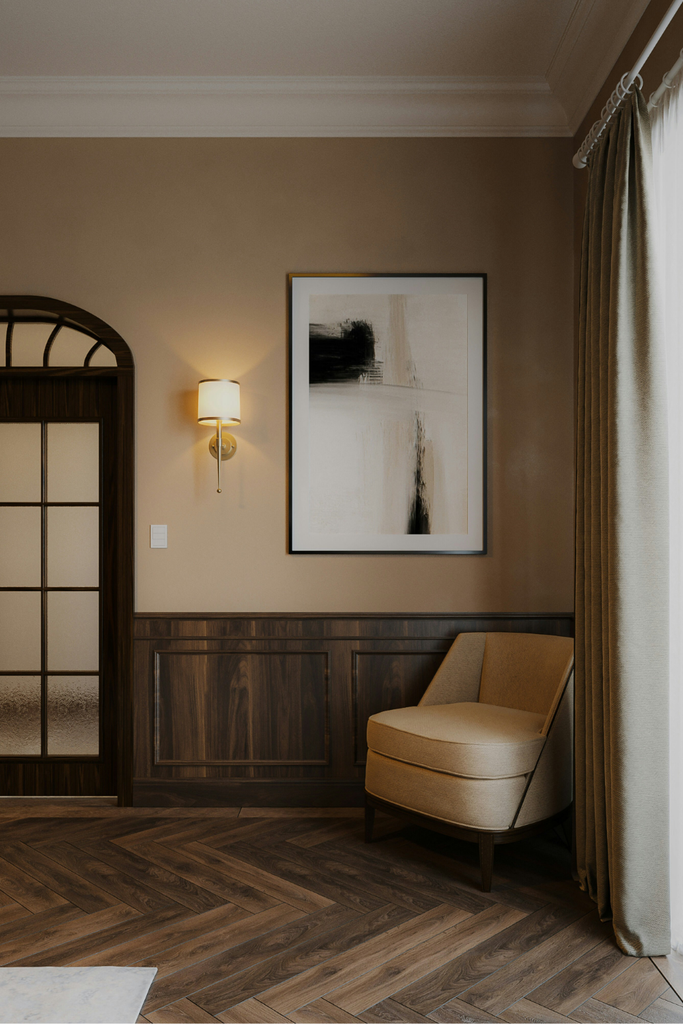
Floor lamps and table lamps are useful, but they need space on the floor or on your side tables. If your living room is already crowded, wall-mounted lights can be a better option.
They provide light without taking up the space you need for furniture or everyday items.
For example, you could install a wall light beside your sofa for reading or relaxing in the evening.
You can also consider plug-in wall lights if you don’t want to make permanent changes. Just choose a position where the light is comfortable and useful.
17. Choose a Sofa Bed if You Need Extra Sleeping Space
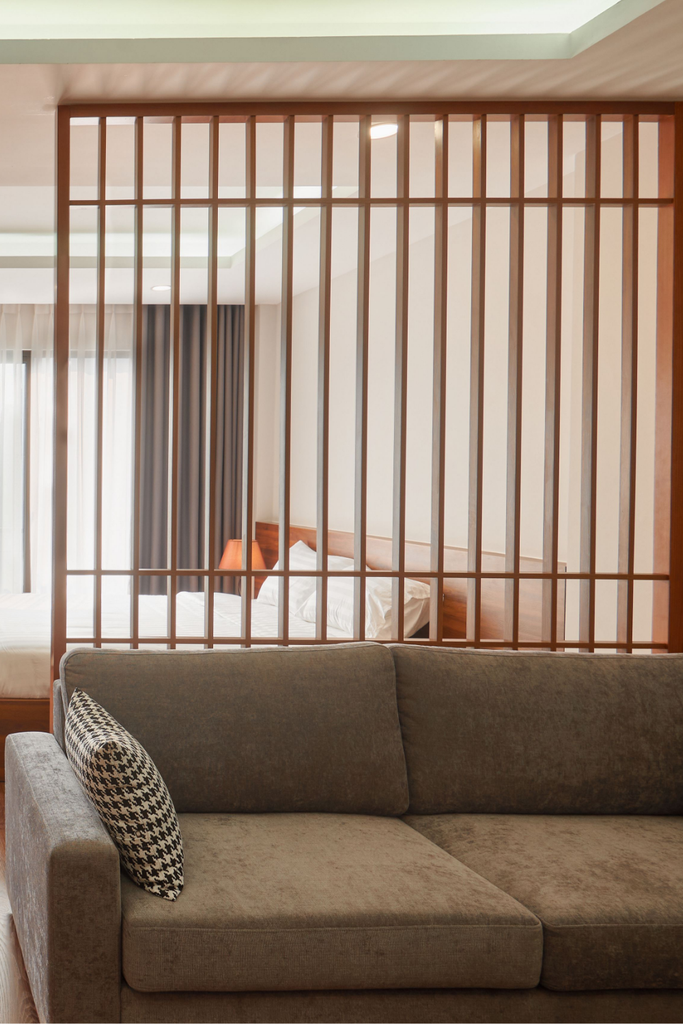
If friends or family sometimes stay overnight, a sofa bed can be a practical choice. You can use it as a sofa during the day and turn it into a bed when someone needs a place to sleep.
This means you don’t have to keep a separate bed in a room where space is already limited.
Before buying one, check how much room it needs when opened. You don’t want to discover that it blocks the doorway or leaves no space to move around.
If you rarely have overnight guests, a regular sofa might be a better and more affordable option.
18. Use a Foldable or Extendable Dining Table
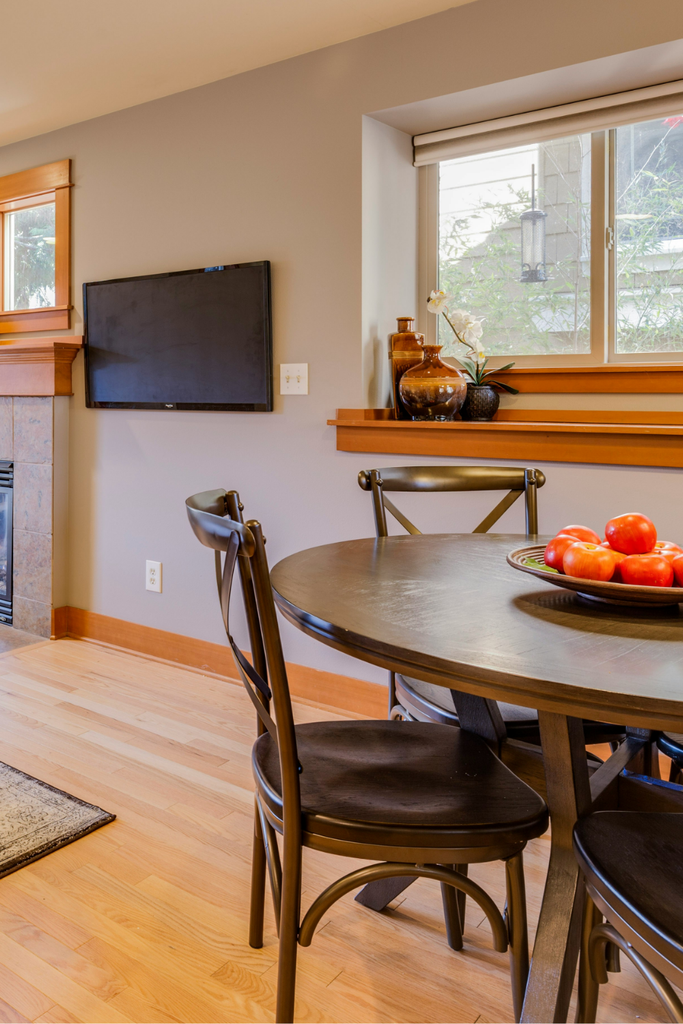
If you eat in your living room, a large dining table can take up space even when you’re not using it.
A foldable table can be put away when you need more room, while an extendable table stays small for everyday meals and becomes bigger when guests arrive.
Think about how you use your space every day. If you need the floor clear most of the time, a foldable table may suit you better.
If your family eats there regularly, an extendable table could be more convenient.
Just remember to leave enough space for the chairs when people are sitting down.
19. Keep the Furniture Away From Doorways
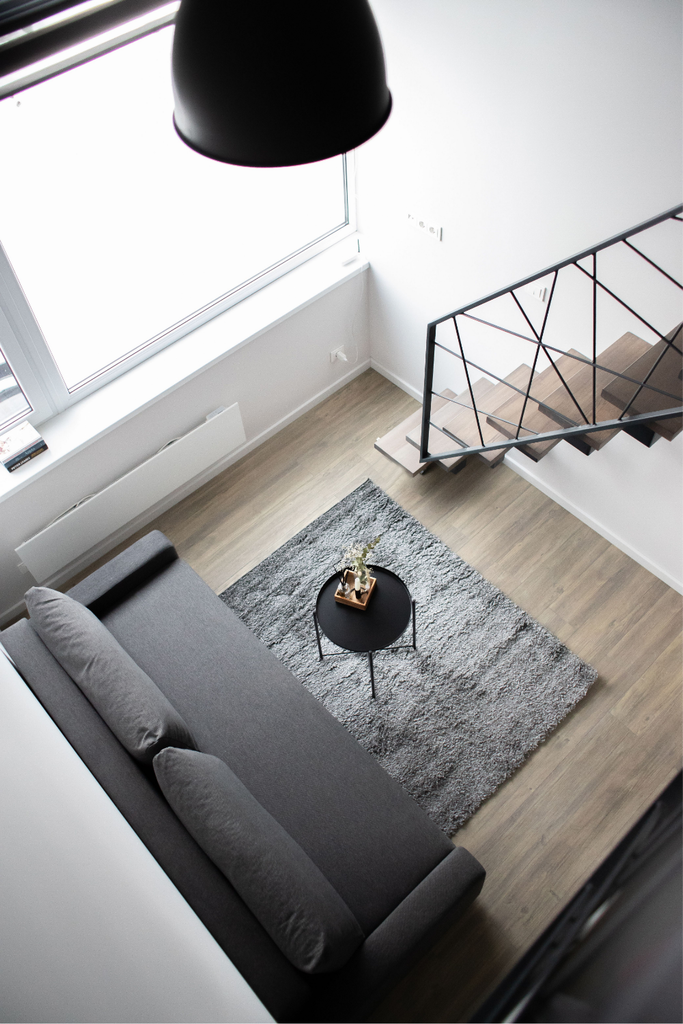
Sometimes, a living room feels cramped simply because the furniture is in the wrong place. For example, if your sofa or coffee table blocks the entrance, you’ll have to squeeze past it every time you walk through.
Keeping doorways and walking paths clear makes the room feel easier to use.
Before spending money on smaller furniture, try moving things around first. Check that doors can open fully and that you can walk comfortably from one side of the room to the other.
A simple rearrangement might solve the problem without costing you anything.
20. Choose Two or Three Matching Colors
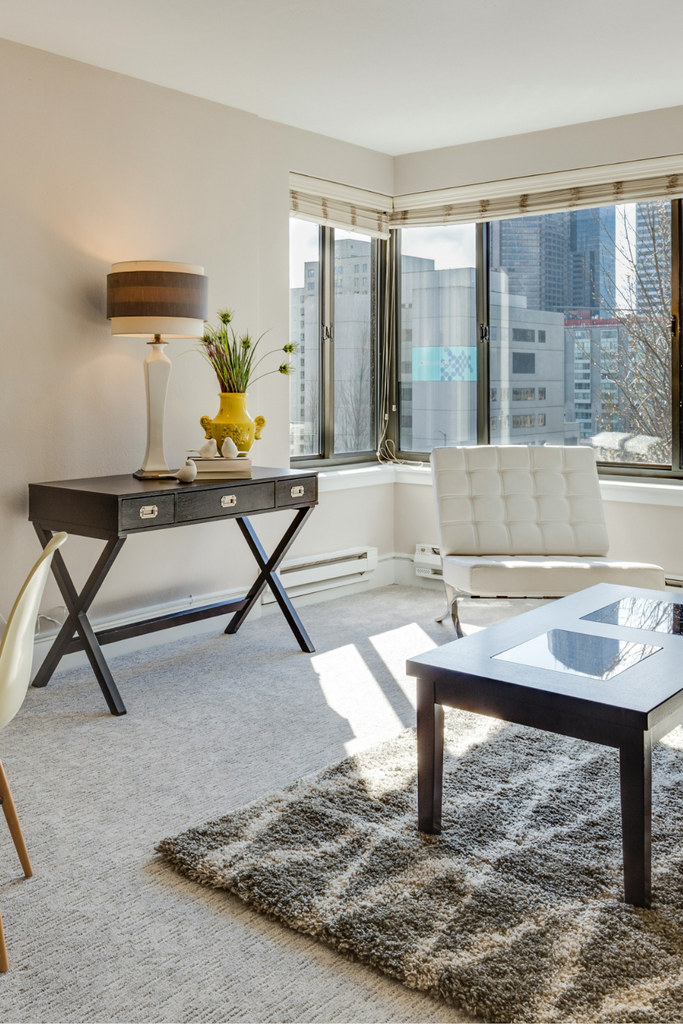
When your sofa, curtains, cushions, and rug all have different colors and patterns, the room can start to look busy.
Choosing two or three colors that work well together gives your living room a more balanced and stylish appearance. Lighter colors can also help the room feel brighter.
You don’t need to buy everything in matching colors. For example, if you already have a grey sofa, you could add cream curtains and a few soft green cushions.
Start with what you own and change small things if needed. It’s an easy way to improve the look without spending too much.
21. Use One Tall Decorative Piece Instead of Many Small Ones
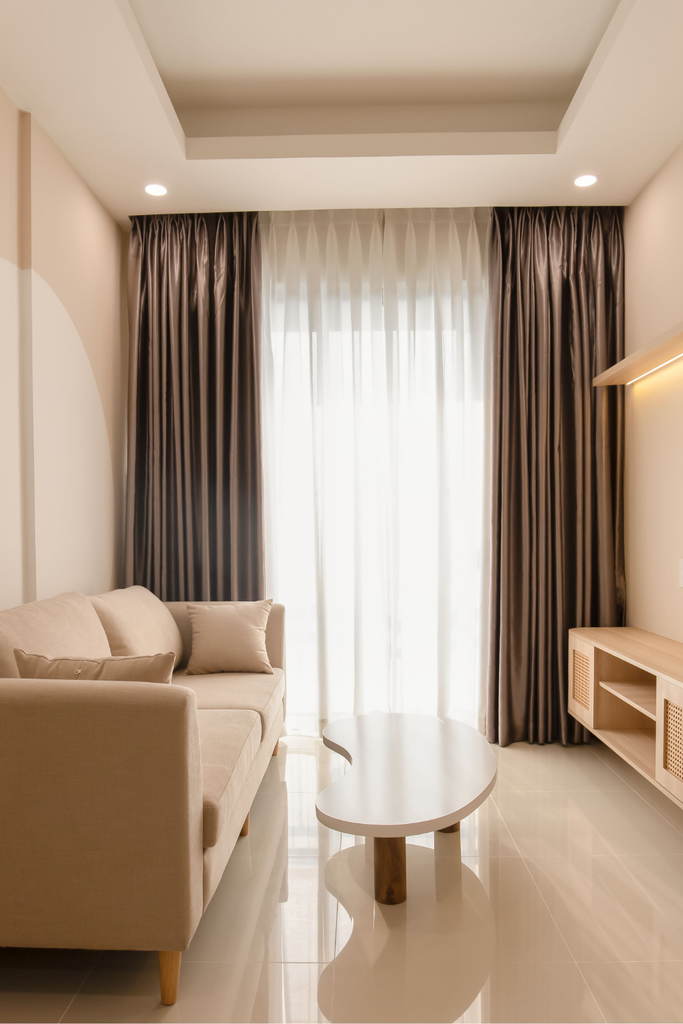
It’s tempting to fill every empty corner with small showpieces, photo frames, and other decorations.
But too many items can make a small living room look messy. Instead, one tall floor lamp, a plant, or a large piece of wall art can make the room interesting without filling every surface.
For example, if you have an empty corner, you could add a floor lamp instead of placing several small decorations around it.
Choose something that suits your room and leave the surrounding area simple. This way, the item stands out, and your living room still feels open and comfortable.
FAQ,s
Q. What is the easiest way to make your small living room feel bigger today?
The easiest way to make your small living room feel bigger is to remove unnecessary items and rearrange the furniture. Start by clearing the coffee table, removing things you don’t use, and keeping the walking paths open.
Move any furniture that’s blocking the entrance. These small changes can make your room feel more open without spending any money.
Next, let in more natural light by opening the curtains, and keep only a few decorations on tables and shelves.
If your sofa or other furniture is taking up too much space, try moving it closer to a wall where it fits comfortably. You don’t need to buy new furniture or completely change your living room. Sometimes, simply organizing what you already have is enough to make the space feel bigger, cleaner, and more comfortable.
Q. How can I make a small living room look bigger without renovating?
You can make a small living room look bigger without renovating or spending much money.
Start by removing things you don’t use and rearranging your furniture to create more space for walking. For example, move a bulky chair away from the entrance, clear the coffee table, and avoid filling every corner with decorations.
Try a few simple tricks to make the room look brighter and more spacious. Open the curtains to let in natural light, use light-colored cushion covers, and place a mirror near a window to reflect light around the room.
If you need more storage, use floating shelves instead of adding another bulky cabinet. The main idea is to keep the floor clear, let in more light, and use the space you already have wisely.
Q. Can a small living room have a sectional sofa?
Yes, you can have a sectional sofa in a small living room, as long as it fits your space properly.
An L-shaped sofa can fit nicely into a corner and provide enough seating without needing extra chairs.
The important thing is to choose a compact design that doesn’t block the doorway or leave you with very little walking space.
Before buying one, measure your room and check the sofa’s dimensions. Also, think about where you’ll place the coffee table and how people will walk around the room.
If the sectional feels too bulky, a compact two-seater sofa with one small chair might be a better option.
Q. Does a large rug make a small living room look bigger?
Yes, a properly sized rug can make a small living room feel more spacious and organized.
When the rug extends under the front legs of your sofa and chairs, it helps connect the furniture and makes the seating area look like one complete space. A rug that’s too small can make the furniture look disconnected.
Before buying a rug, measure your seating area to find the right size. Choose a simple design or a light color if you want the room to feel brighter.
However, don’t cover the entire floor just to make the room look bigger. The goal is to create a balanced look that suits your furniture.
Q. What is the best layout for a narrow living room?
For a narrow living room, it’s usually best to arrange the main furniture along the longer walls and keep a clear walking path through the room. For example, you can place the sofa against one long wall and the TV on the opposite wall, provided there’s enough space between them.
This arrangement helps you use the available width without making the room feel blocked.
Try not to place too many chairs, tables, or decorations along the walking path. Choose a slim coffee table and keep larger furniture near the walls where practical.
Before buying anything new, rearrange what you already have and check whether you can walk comfortably from one end of the room to the other.
Q. How do I make a small living room look expensive on a budget?
You don’t need expensive furniture to make your living room look stylish. Start by keeping the room clean and organized, choosing two or three matching colors, and removing decorations you don’t need.
Simple changes, such as matching cushion covers, neat curtains, and a well-sized rug, can make the room look more put together.
Instead of buying lots of cheap decorations, choose one or two items that make the room look special, such as a stylish table lamp, a large mirror, or a piece of wall art. Keep cables hidden and avoid overcrowding shelves and tables.
A clean, coordinated room often looks more expensive than one filled with costly but mismatched furniture.